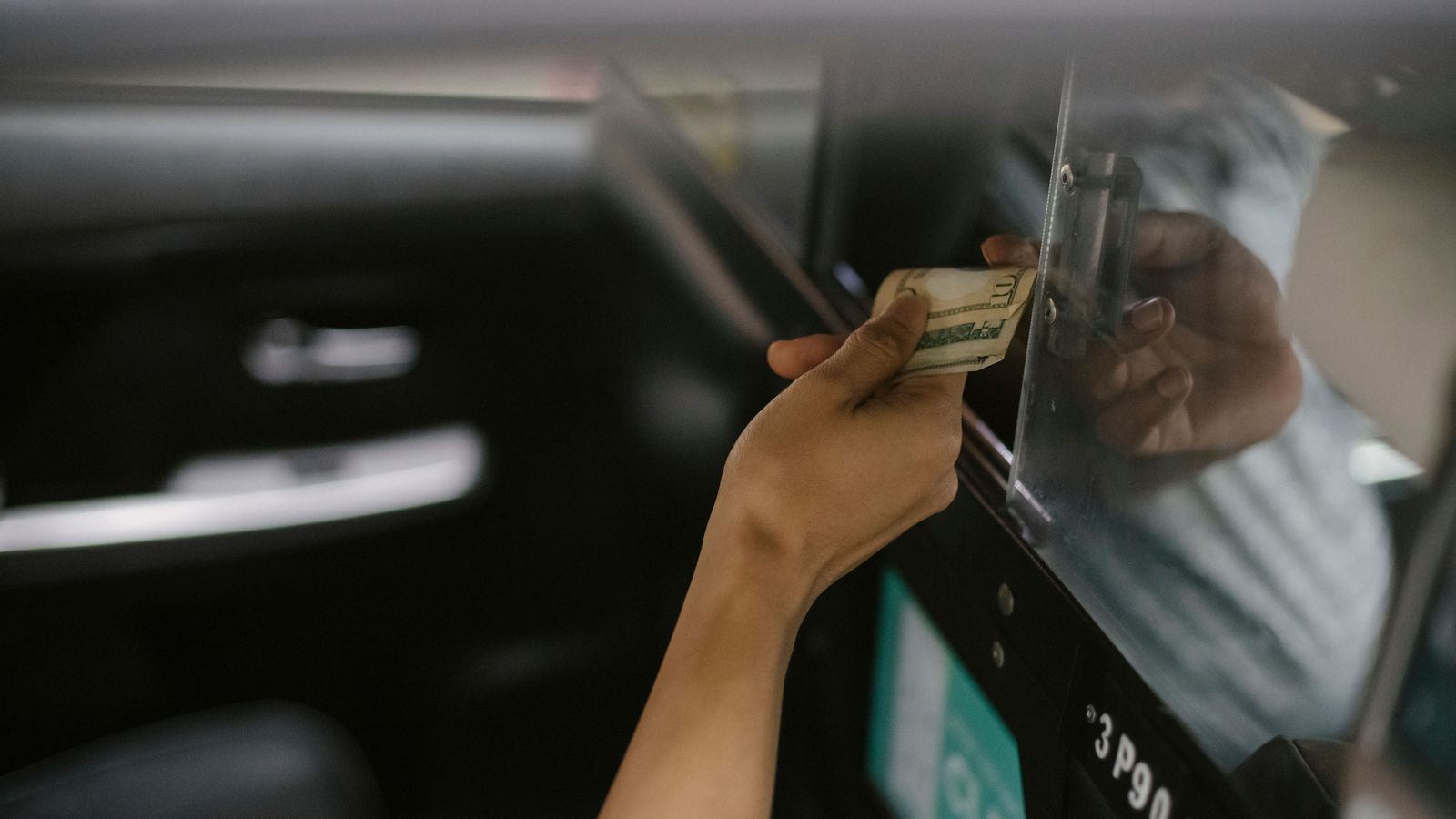
Toronto Taxi Fare Calculator
Enter the distance and the time you expect to sit still, and see what a Toronto meter will show, from light traffic to heavy, using the City's own tariff, followed by how Pearson airport fares differ.
- Fixed fare
- Flight-tracked
- 60 / 30 min free wait
- Curbside pickup
Every province and territory
Ontario with our own fleet; the other twelve through vetted network operators who meet the flight the same way.
 OntarioYYZ · own fleet
 QuebecYUL · network
 British ColumbiaYVR · network
 AlbertaYYC · network
 ManitobaYWG · network
 SaskatchewanYXE · network
 Nova ScotiaYHZ · network
 New BrunswickYQM · network
 Newfoundland and LabradorYYT · network
 Prince Edward IslandYYG · network
 YukonYXY · network
 Northwest TerritoriesYZF · network
 NunavutYFB · network
Reserve your Pearson transfer
Pick the vehicle, see the fixed fare, confirm - about two minutes.
Fixed fare shown as you type, instant confirmation. Trouble with the form? Call 1-877-508-3344 and we will book it with you.
Taxi fare calculator: estimate a Toronto metered fare
A Toronto taxi meter charges a $3.25 drop that covers the first 0.143 km, then $0.25 for each further 0.143 km, $0.25 for every 29 seconds spent waiting, and a $1.00 fuel surcharge per trip. Enter your distance and the minutes you expect to sit still to see a light-to-heavy traffic range from the City's tariff as read on 4 October 2026.
This taxi calculator does one job: it turns the City of Toronto's published taxicab tariff into a range you can plan around. Type the distance in kilometres, type how many minutes the cab might spend stopped or crawling if traffic is light and how many if it is heavy, add the number of passengers, and the three boxes show the cheaper and dearer ends and the part of the fare that is distance alone. Press the button or just change a number; the result updates and is announced to screen readers.
The tariff is regulated, which is what makes an estimate possible at all. It is the standard every licensed Toronto cab starts from, so the only unknowns are the ones the meter discovers on the day: how far the route really is, and how long the cab really stands. That is why the tool asks for a range of waiting minutes.
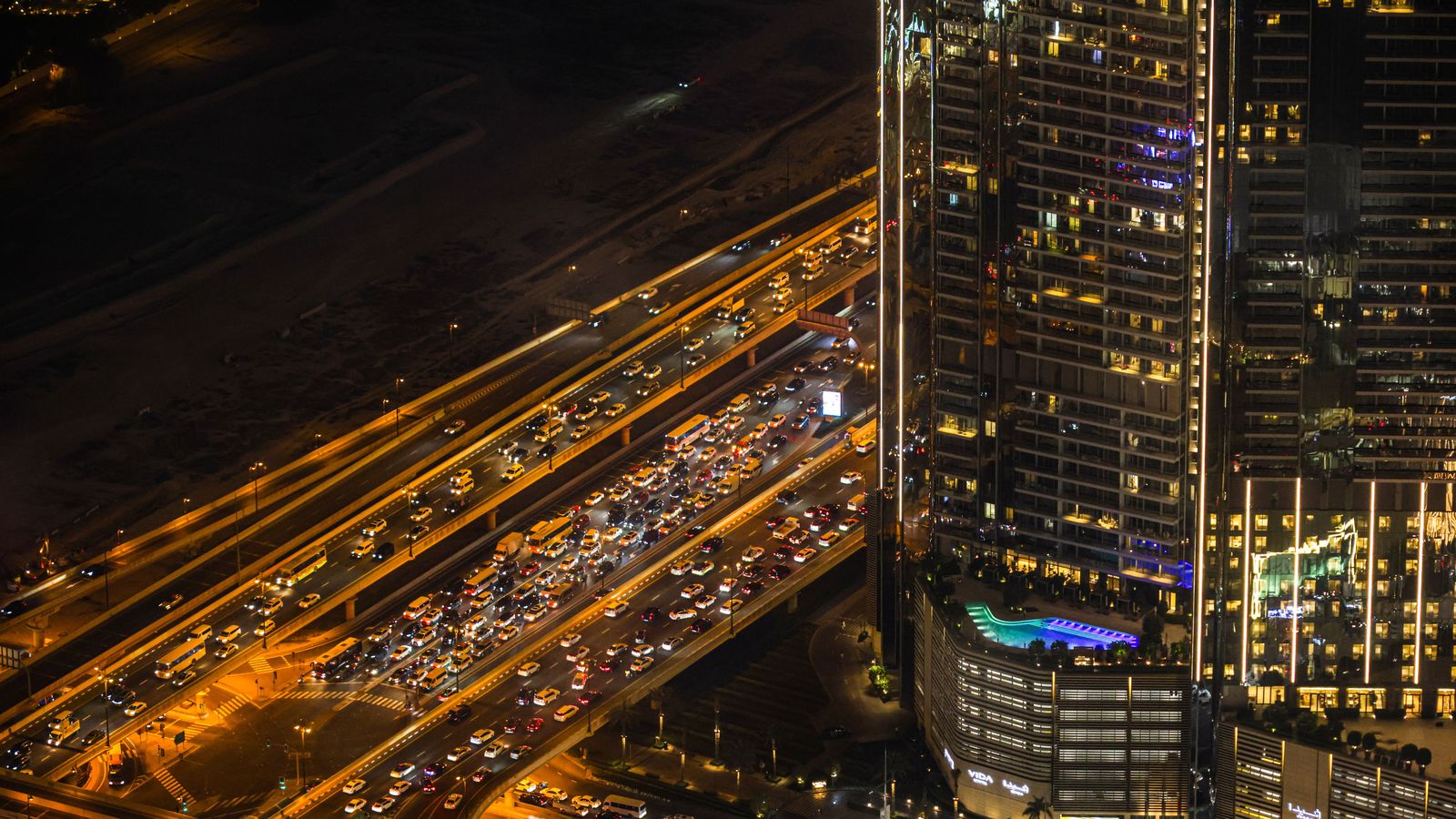
How does the Toronto taxi meter build a fare?
The tariff, as set out in Appendix A of Chapter 546 of the Toronto Municipal Code (the version dated 27 June 2024 on toronto.ca, read on 4 October 2026), has three moving parts and a handful of fixed ones.
| Part of the fare | Rate in the tariff |
|---|---|
| The drop (covers the first 0.143 km) | $3.25 |
| Each additional 0.143 km or part of it | $0.25 |
| Waiting time while under engagement, each 29 seconds | $0.25 |
| Fuel surcharge, per trip | $1.00 |
| Each passenger in excess of four | $2.00 |
| Cleaning after soiling by a passenger | Up to $25.00 |
The City's own taxis page puts the opening of the meter at $4.25, and the arithmetic explains it: the $3.25 drop plus the $1.00 fuel surcharge, which the by-law added to the tariff in May 2022, is $4.25 the moment the trip begins. After that the meter climbs in two ways at once. Every 143 metres of road adds 25 cents, which is about $1.75 per kilometre, and every 29 seconds of standing adds 25 cents, which is about $31 an hour.
Two details are easy to miss. The first is that the distance step is charged for part of a step: the first 144 metres already cost $3.50 before the fuel surcharge. The calculator rounds up in the same way. The second is that the waiting charge is not about being in a cab that is slow; the tariff words it as waiting time while the cab is under engagement. How a particular meter decides that a crawling cab is waiting is a matter of the meter's own programming, so the tool treats the minutes you enter as chargeable waiting time. That is the cautious way round: if your meter counts less, you pay less.
The by-law also sets out what surrounds the number. The fare shown on the trip meter includes harmonized sales tax, and each cab must carry a sign saying so. The meter must be switched on as soon as the passenger gets in and kept running throughout the trip, and at the end the driver must draw your attention to the fare. A card fee may be added on top, and the tariff says so in as many words. Children in the charge of an adult ride free at eight and under, and at half fare over eight and under twelve.
What does a taxi fare look like over different distances?
The table below runs the tariff through the same arithmetic as the calculator. The light case assumes two minutes of waiting and the heavy case ten, one passenger, the fuel surcharge included. These are illustrations of the tariff, not predictions for any named route; real distances depend on the road, and real waiting depends on the day.
| Distance | Distance part (drop + steps) | Light traffic, 2 min waiting | Heavy traffic, 10 min waiting |
|---|---|---|---|
| 5 km | $11.75 | $13.75 | $17.75 |
| 10 km | $20.50 | $22.50 | $26.50 |
| 15 km | $29.25 | $31.25 | $35.25 |
| 25 km | $46.75 | $48.75 | $52.75 |
| 40 km | $73.00 | $75.00 | $79.00 |
Eight more minutes of standing adds $4.00 whether the trip is 5 km or 40 km; waiting is a flat tax on bad traffic, and it matters most on short trips, where $4.00 is nearly a third of the fare. On a long trip the distance part dominates and the range is narrow. The longer route that avoids congestion adds distance steps, so the cheapest route on the meter is not always the fastest.
How much does waiting cost on its own? The tariff arithmetic gives $0.50 for one minute, $2.50 for five, $5.00 for ten, $7.75 for fifteen, $15.50 for thirty and $31.00 for a full hour of standing.
Toronto airport taxi flat rate: how fares from Pearson work
Leaving Pearson is the exception to everything above. A licensed airport taxi or limousine collecting you at the terminal does not run the city meter for the trip; it charges the Greater Toronto Airports Authority's published flat-rate tariff, priced by zone, and a flat rate does not run a clock. Sitting on the 427 for twenty minutes costs the same as gliding down it. The GTAA publishes a taxi and limo estimate tool and its tariff listing on its taxis and limos page; type your destination into the official estimate and you get the zone fare before you walk to the curb.
We do not reprint zone fares on this page. They are the airport's to publish and to change, and a copy on a third-party site is exactly the kind of figure that is out of date by the time you read it. Check the estimate before you land, and if you are a family of five or have a lot of luggage, read the airport's own notes on larger groups and extra bags before you assume the headline fare covers you.
So the meter calculator on this page is the right tool for an ordinary city trip, a cab hailed on the street or picked up at a stand, and the wrong tool for the ride out of the terminal. For that ride, the airport's estimate replaces it. A third answer, a fixed fare to your exact address, comes from the reservation engine described further down.
Taxi to Pearson Airport: the flat-or-meter rule
Going the other way is regulated by the City. When a taxi trip starts inside Toronto and ends at Pearson, and the passenger hailed the cab or began at a cab stand, Section 546-20 of the Code lets the passenger choose either the flat fare listed in the airport tariff appendix or the fare the meter calculates, whichever is lower. The area bounded by Kipling Avenue, Finch Avenue, Eglinton Avenue and the western edge of Toronto is excluded from that rule. A driver asked for a taxi to Pearson Airport must offer you the City's airport flat-fee map and the fare that goes with it.
If you hail a cab in the core and ask for Pearson, ask to see the flat-fee map, and compare it with the estimate from this page. If the meter would be cheaper because the roads are empty, the by-law lets you take the meter. If the flat fare is lower because the roads are full, you take that. The protection works only if you compare the two before you set off.
Two other rules complete the picture. If a trip's destination is more than five kilometres beyond Toronto's boundary, driver and passenger may agree a flat fare in advance, but the meter must still run. And a taxi brokerage may offer a rate below the tariff, while a rate above it is allowed only when the trip is booked through a software application, the rate is clearly communicated before the trip starts, and the broker keeps a record that the passenger accepted it. Accessible-transportation requests can never be charged above the tariff.
How accurate is a taxi fare estimator?
Any taxi fare estimator is only as good as its two inputs, and this one tells you so. Distance is the one you can check: a map application gives the road distance, and an unexpected detour shows up as extra 25-cent steps. Waiting is the one nobody can know in advance, which is why the calculator shows a light and a heavy figure.
What the tool leaves out matters as well: a card fee, which the tariff permits; a tip; a charge for trunks and other items the tariff does not cover, which must be agreed before the trip; a parcel minimum; a cleaning charge; and any broker rate below the tariff or app-booked rate above it. And it assumes one standard cab: the by-law forbids charging above the tariff for an accessible-transportation request, and the tariff bill of rights says a passenger cannot be charged extra for a disability or a mobility device.
The tariff itself can change. The City of Toronto sets it by amending the by-law, and the constants in the page's script carry the date they were read. If you notice that the meter in your cab starts at a figure other than $4.25, the tariff card the City requires every cab to display is the authority on the day, and the Chapter 546 text on toronto.ca is the authority afterwards.
Which cab fare calculator Toronto riders can trust?
The honest test of any cab fare calculator Toronto residents find online is the source of its numbers: a trustworthy tool names the by-law and the date, shows its constants, and says what it leaves out. Be wary of a taxi cost calculator that gives one figure for a vague "average trip", that mixes the city meter with airport flat rates, or that omits the fuel surcharge and so runs a dollar short on every trip. If you want a taxi cost Toronto calculator that you can audit, this is the shape to look for: every number traceable to Appendix A, nothing hidden in the arithmetic.
You can audit this one: the constants sit at the top of the page's script, each with a comment, and multiplying them by hand for a 10 km trip gives the same $22.50 or $26.50 as the table.
Rideshare: surge pricing versus a fixed fare
A rideshare trip works on a different principle from either the meter or the flat zone. The app sets its own price from its own model, and when demand is high, after a big flight bank, in the rain, at the end of a concert, the price can rise before you tap the button. Toronto's by-law rule on price is disclosure, not a cap. The company must communicate the rate to the passenger before the trip begins, keep a record that the passenger accepted it, and the receipt at the end must list every rate, fee and surcharge, the total, and the time and distance. The by-law also sets a $3.25 minimum fare per rideshare trip.
The practical difference is that the number is agreed on the screen, not run on a meter. That is better than a surprise and worse than a fixed price you can plan around the week before. If you take a rideshare from Pearson, the airport has its own ride-sharing page for where pickups happen; check it before you land, because pickup areas at airports are the kind of thing that moves. Our comparison of chauffeur, taxi and rideshare at Pearson takes the three side by side, and limousine service versus rideshare covers who is driving.
How does a pre-arranged chauffeur differ from a taxi or rideshare?
Under Section 546-85 of the Code the fare for conveying people by limousine is the one disclosed when the service is pre-arranged, so the number is fixed in advance by definition, not by a meter. PearsonAirportTransfer.com works that way: the reservation engine quotes a fixed fare for your exact address before you book, and that is the fare. There is no meter to read, no clock to watch in traffic, no zone to look up and no price that moves between the quote and the curb. We print no fares on this site because the address decides the quote.
What a fixed fare buys is mostly peace of mind. Nothing is paid for parking, because the car comes to you. You are met at the door with a name board when you add meet and greet, or at the pre-arranged curb, so arrival is not a search. The flight is tracked, so a late landing does not turn into a second quote. The Pearson pickup page shows the meeting point at each terminal, and the terminal finder tells you which building your airline uses.

None of this makes a taxi the wrong choice. For a short city hop, a hailed cab on a quiet street may be the cheapest honest answer. The case for a pre-arranged car is the airport trip: the long ride home after a long flight, the early departure that cannot be late, the family with six bags. Read the Pearson airport limo page for the service, and the flat-rate explainer for why a fixed fare behaves differently from a meter.
How do I keep a taxi bill predictable?
A few habits keep the meter honest. If the trip was booked through a brokerage or an app, look at the rate that was communicated before the trip, since a rate above the tariff is only allowed on those terms. Watch that the meter is switched on as you sit down; the Taxicab Bill of Rights fixed inside every cab says that a passenger has the right to a free ride if the meter is not turned on. Direct the route if you know a better one; the same bill of rights says passengers can. A card fee may be added. Be ready for a fare deposit of up to $25, which the bill of rights says a passenger may be asked for.
Traffic is the lever you can pull, because waiting is the only part of the fare set by the clock. The live traffic board shows closures and incidents on the 401, 427, QEW and Gardiner, and the 407 toll calculator works the toll-road decision through the same way: a distance, a rate, a range.
What are the sources and the limits of this page?
Every number in the calculator comes from one place: Appendix A, Taxicab Tariff and Charges, of Chapter 546 of the Toronto Municipal Code, in the consolidation dated 27 June 2024 that the City publishes on toronto.ca, read on 4 October 2026. The City's taxis and limousines page, read the same day, still describes the meter as starting at $4.25, which matches the tariff plus the fuel surcharge. The rules on airport trips, broker rates, rideshare disclosure and limousine pre-arrangement are from the same chapter. The airport zone tariff and estimate tool are the GTAA's, and none of their fares are reproduced here.
Use the range the calculator gives you for a street taxi, the airport's estimate for the ride out of the terminal, and the reservation engine's fixed quote when the trip is one you cannot afford to get wrong. The Pearson complete guide covers the rest of the airport.
Taxi fare calculator: questions answered
How accurate is this taxi fare estimator?
It applies the City of Toronto's published tariff exactly: the $3.25 drop, 25 cents per 0.143 km, 25 cents per 29 seconds of waiting and the $1.00 fuel surcharge. Its limit is the two inputs, distance and waiting, so it shows a range, not a single figure.
Why does the meter start at $4.25 when the drop is $3.25?
Because the tariff also carries a $1.00 fuel surcharge per trip, added in May 2022. The $3.25 drop plus the $1.00 surcharge is $4.25, and the City's taxis page describes the meter as starting at that figure.
Does the fare on a Toronto taxi meter include HST?
Yes. The by-law requires each cab to display a sign saying that the fare shown on the trip meter includes harmonized sales tax. A card fee may be added, and the tariff says so.
Is a taxi from Pearson charged by the meter?
Not normally. A licensed airport taxi works to the GTAA's flat-rate zone tariff, which the airport publishes with an estimate tool on its taxis and limos page. Check the estimate for your destination before you leave the arrivals hall.
What is the flat-or-meter rule for a taxi to Pearson Airport?
For a hailed or cab-stand trip that starts in most of Toronto and ends at Pearson, the passenger may pay the flat fare in the City's airport tariff or the metered fare, whichever is lower. The area west of Kipling and between Finch and Eglinton is excluded.
Do children pay the full taxi fare in Toronto?
Under the tariff, a child in the charge of an adult rides free at eight and under, pays half fare over eight and under twelve, and pays full fare over twelve. Each passenger beyond four adds $2.00.
Which taxi cost Toronto calculator can I trust?
One that names the by-law and the date of its figures, shows its constants and says what it leaves out. This page uses only Appendix A of Chapter 546 of the Toronto Municipal Code, and its constants are listed in the script.
What if the driver does not turn the meter on?
The Taxicab Bill of Rights displayed in every cab says that you have the right to a free ride if the meter is not turned on, and the by-law requires the meter to run from the moment you get in.
Six classes, one standard
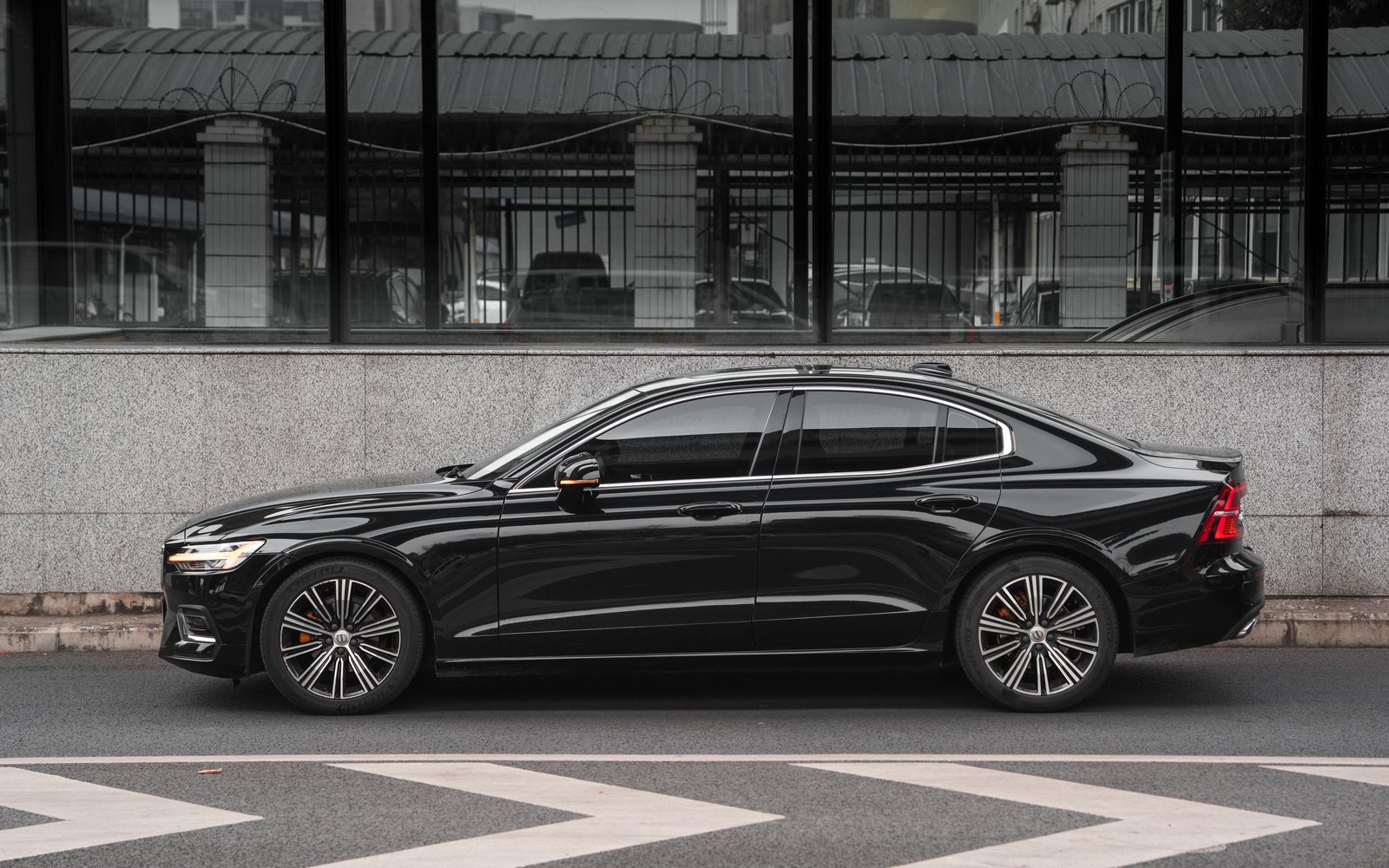 SED
SEDExecutive Sedan
Cadillac XTS, Lincoln Continental, Mercedes E-Class or similar
- 3 pax
- 2 large + 2 carry-on
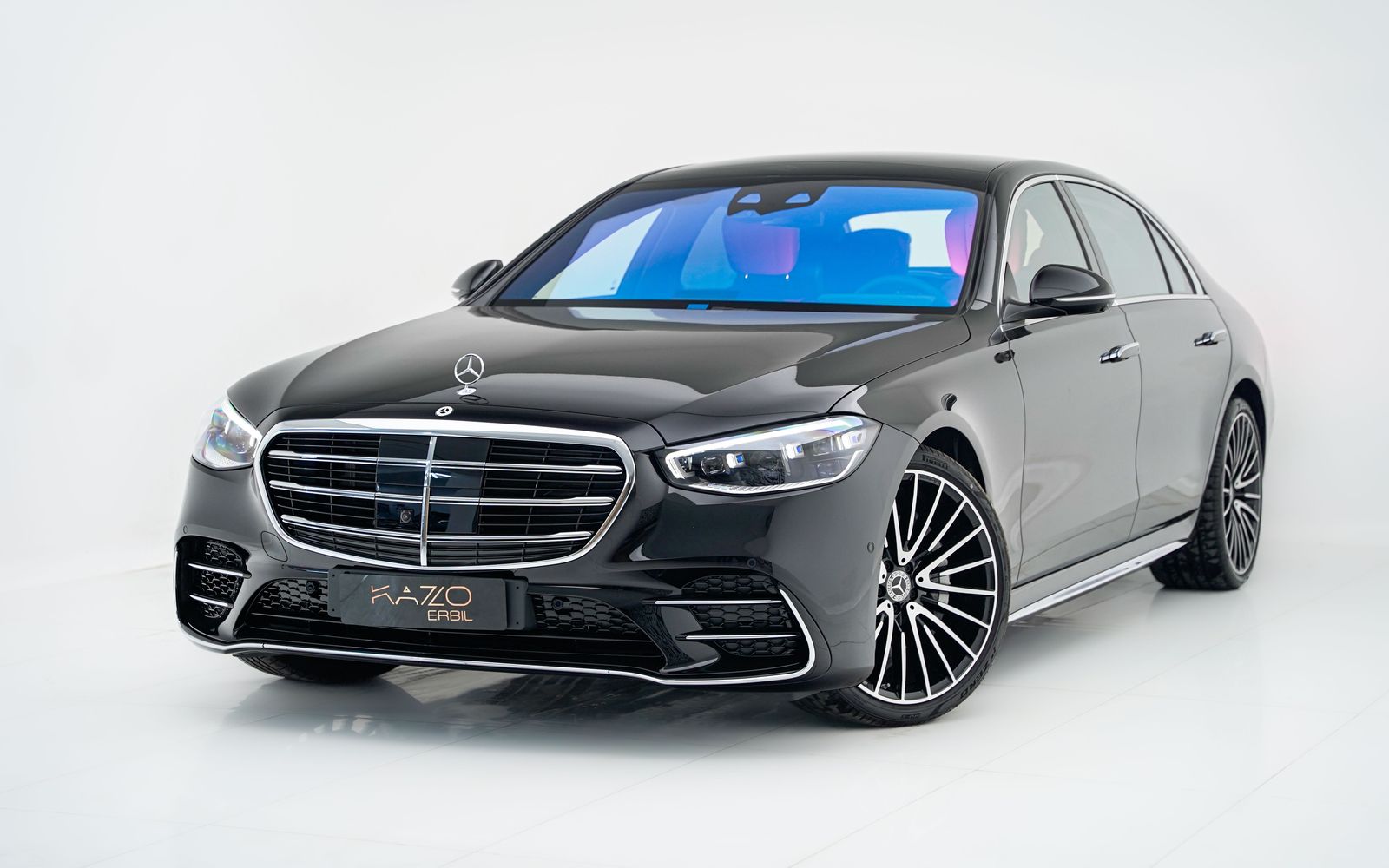 PRM
PRMPremium Sedan
Mercedes S-Class, BMW 7 Series, Genesis G90 or similar
- 3 pax
- 2 large + 2 carry-on
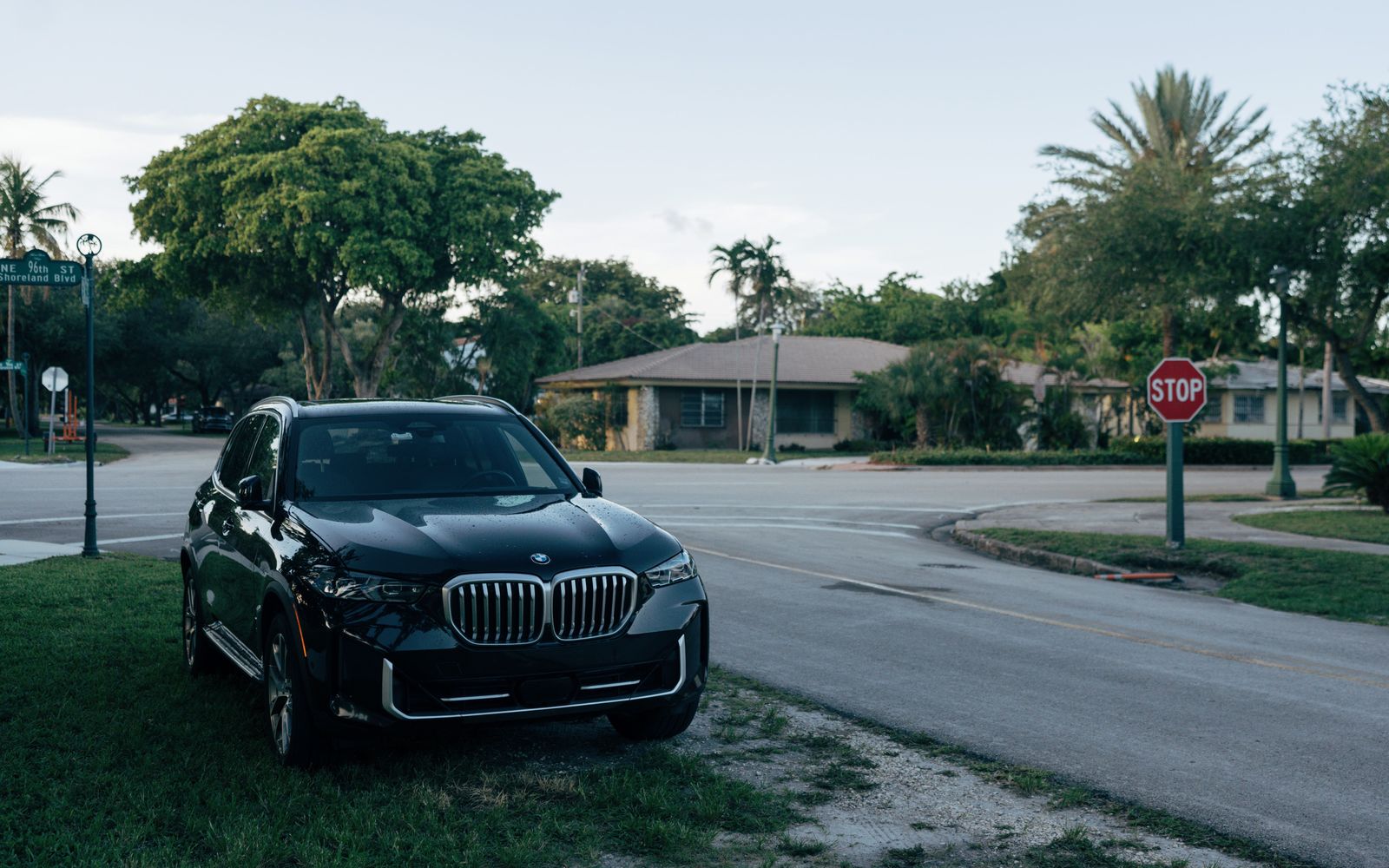 SUV
SUVLuxury SUV
Cadillac Escalade, Lincoln Navigator, Chevrolet Suburban or similar
- 6 pax
- 5 large + 4 carry-on
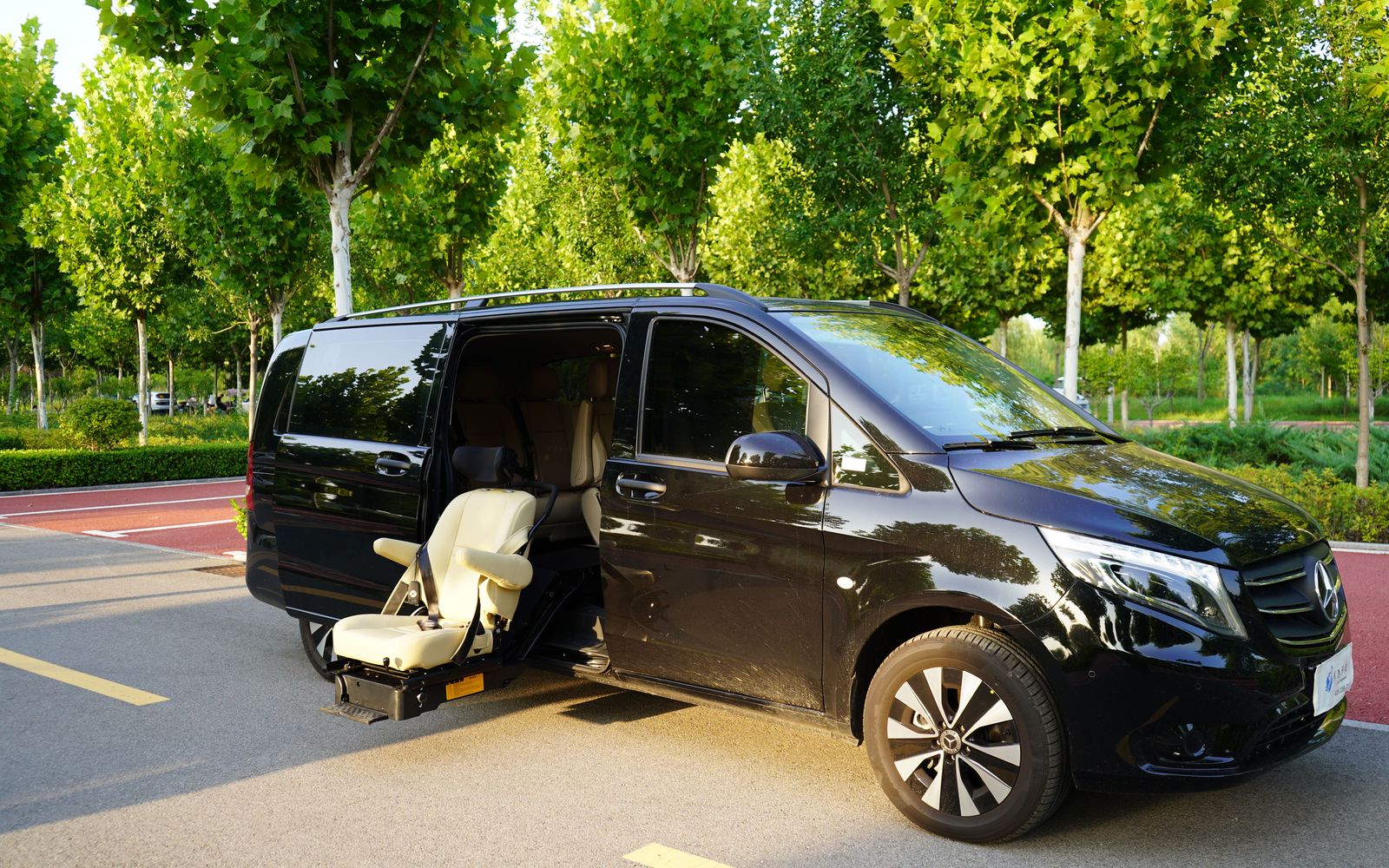 VAN
VANExecutive Sprinter
Mercedes-Benz Sprinter executive van
- 14 pax
- 14 large
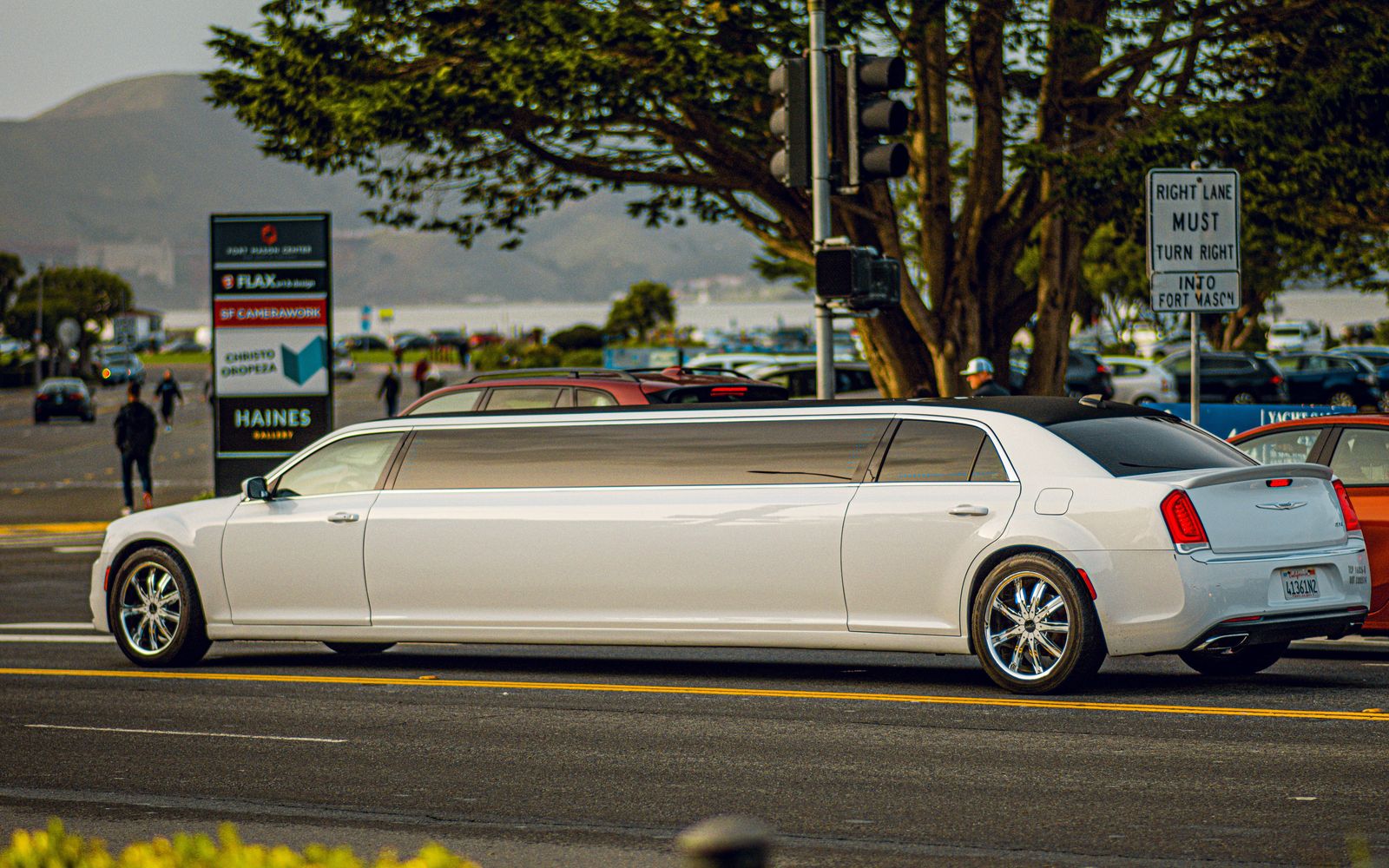 STR
STRStretch Limousine
Lincoln or Cadillac stretch limousine
- 8 pax
- Minimal - occasion use
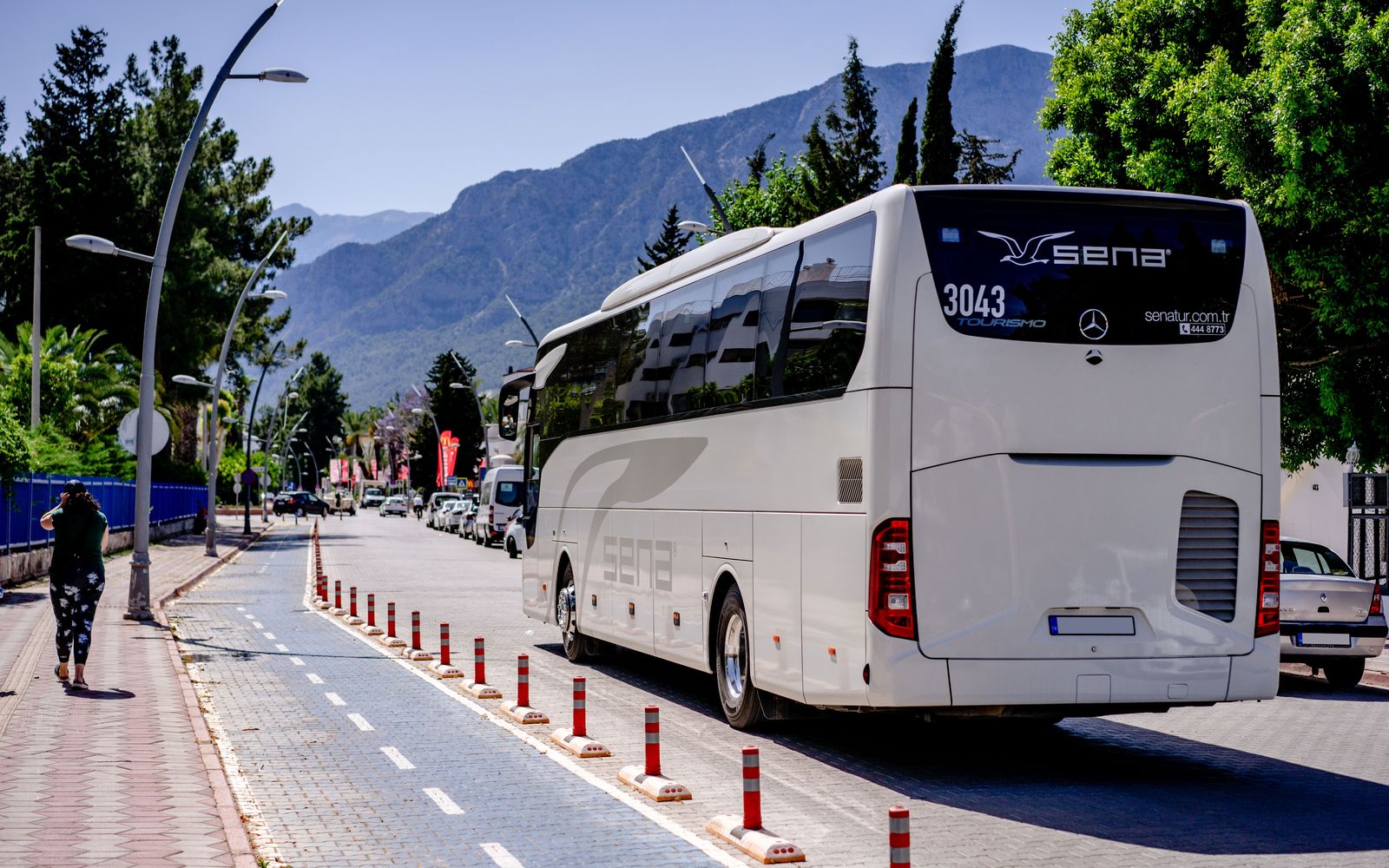 MCH
MCHMini Coach
24 to 32-seat executive mini coach
- 32 pax
- 32 large in under-floor bays
Land anywhere. Be met.
59 countries served through the LimousineWorldwide.Directory network of vetted chauffeur operators.
 United StatesJFK
 MexicoMEX
 BrazilGRU
 ArgentinaEZE
 ChileSCL
 ColombiaBOG
 PeruLIM
 PanamaPTY
 Costa RicaSJO
 Dominican RepublicPUJ
 JamaicaMBJ
 BahamasNAS
 BarbadosBGI
 United KingdomLHR
 IrelandDUB
 FranceCDG
 GermanyFRA
 NetherlandsAMS
 BelgiumBRU
 SwitzerlandZRH
 AustriaVIE
 ItalyFCO
 SpainMAD
 PortugalLIS
 GreeceATH
 TurkeyIST
 DenmarkCPH
 SwedenARN
 NorwayOSL
 FinlandHEL
 PolandWAW
 Czech RepublicPRG
 HungaryBUD
 IcelandKEF
 United Arab EmiratesDXB
 QatarDOH
 Saudi ArabiaRUH
 IsraelTLV
 EgyptCAI
 MoroccoCMN
 South AfricaJNB
 KenyaNBO
 NigeriaLOS
 IndiaDEL
 PakistanLHE
 Sri LankaCMB
 SingaporeSIN
 MalaysiaKUL
 ThailandBKK
 VietnamSGN
 PhilippinesMNL
 IndonesiaCGK
 Hong KongHKG
 ChinaPVG
 TaiwanTPE
 JapanHND
 South KoreaICN
 AustraliaSYD
 New ZealandAKL
Ready when you land.
Fixed fare, flight-tracked, met at the terminal. Reserve in two minutes or call and we will build it with you.
The rest of the trip, in one place
We are partnered with BookingWorldwide.net for flights, hotels, resorts, activities, packages and car rental — the chauffeur at this end and everything at the far end, arranged together. Search here; the booking completes on BookingWorldwide.net. About the travel desk →




Vetted at this end. Vetted at the far end.

LimousineWorldwide.Directory
Our listing in the worldwide directory is how a Toronto client lands in Frankfurt or Dubai and still finds a vetted chauffeur waiting. Every province and country page on this site is served through that network.

LimousineAssociation.International
Membership commits us to the association's standards on licensing, commercial insurance, vehicle inspection and chauffeur conduct - the things a passenger cannot check from the back seat.
- LimousineWorldwide.Directory — The worldwide directory of limousine, black car and chauffeur operators.
- LimousineAssociation.International — The international association for chauffeured-transportation operators.
- BookingWorldwide.net — Flights, hotels, resorts, activities, packages and car rental.
- HotelsWorldwide.Directory — Hotels and hospitality worldwide.
- VacationsWorldwide.Directory — Destinations, tours and holiday planning.
- Onroutz.com — Private chauffeured transport, booked worldwide.